Responsible Travel
Responsible Travel
As an industry prone to overconsumption, tourism consequently produces a substantial amount of waste and pollution. In some places, tourists produce up to twice s much waste as local residents.
This can put incredible strain on local waste management systems, causing landfills and sewage plants to overflow. Another major issue is the improper disposal of trash, raw sewage, and toxic chemicals by tourists, hotels, cruise ships, and others.
In addition to making destinations less attractive, this litter and pollution can have detrimental effects on local people and wildlife.



While tourism contributes to our global waste problem, we believe the industry can also be part of the solution. Tourism has the potential to build awareness around the issues and spur waste infrastructure improvements.
If we want to preserve the beauty and health of the places we visit, we must take action to reduce the amount of waste we create and practice proper disposal.
We help our clients to adopt eco-friendly travel habits that create less waste and to dispose of their garbage properly so that they leave no trace.
Sustainable
Tourism
Because tourism connects people with nature, it has the unique ability to spur environmental responsibility and conservation.
But when tourism is not sustainable, it can have the opposite effect and devastate the environments it relies on.
If we want to preserve the wild places that inspire us, we must take care to minimize our harmful impacts and protect the fragile ecosystems we visit.
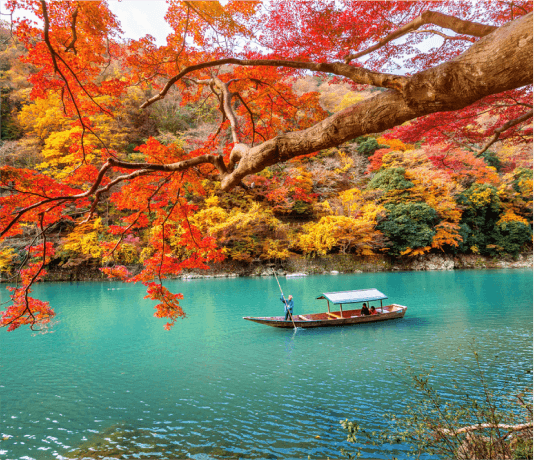
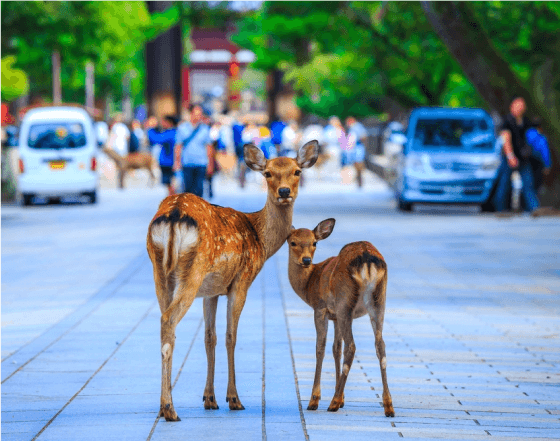
The natural places, animals, and plants that we discover during our travels also are important to the local people who live in the places we visit.
Indigenous communities tend to have an especially intimate relationship with the natural world as they rely heavily on the land and its resources for their traditional ways of life.
Trees supply timber for building and heating homes. Fish nourish and sustain remote coastal communities. Native plants are used for ceremonies and healing purposes. Different animals hold spiritual significance and are cultural icons.
As travellers, we must take care to protect local lands and ecosystems that we visit. Because while these places are destinations to us, others call them home.
Wildlife tourism accounts for up to 40% of all tourism globally. Many of these attractions rely on keeping wild animals in captivity to be handled, posed with, ridden or used as performers.
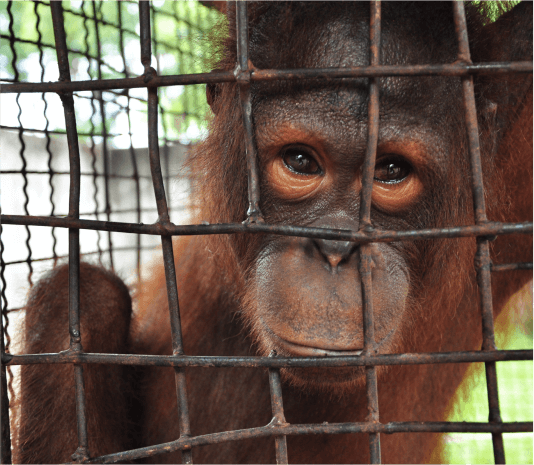
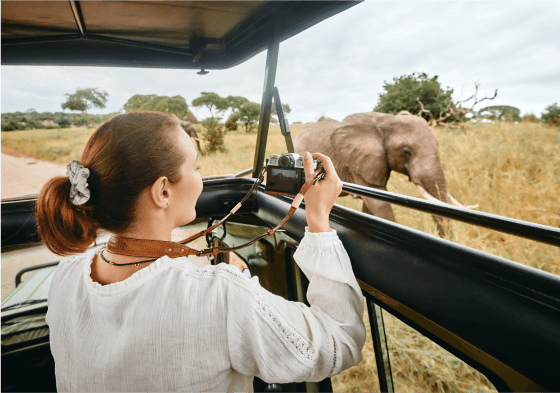
Animals suffer every step of the way.
Wild animals exploited as tourist entertainment attractions live a life full of suffering and deprivation.
The complex needs of wild animals, whether they are captive-bred or wild-caught, can only be fully met in their natural habitat.
We work with sanctuaries where it is possible to visit and see the animals, without the touristy interactions, so you can appreciate them as they’re meant to live.